To manufacture is to create something from scratch. It is the production of goods or machines by using raw materials, tools, chemicals, formulation or biological processing. Automotive companies produce motor vehicles, showmakers and tailors produce shoes and textiles respectively.
7 steps of manufacturing include developing the idea, performing market research, designing the product, finalizing and prototyping, prototype testing, manufacturing the goods, and monitoring the process.
Automation experts, data scientists, and analysts need to constantly innovate and come up with ideas to gain a competitive edge. They are tasked with modifying mundane data to fetch actionable insights.
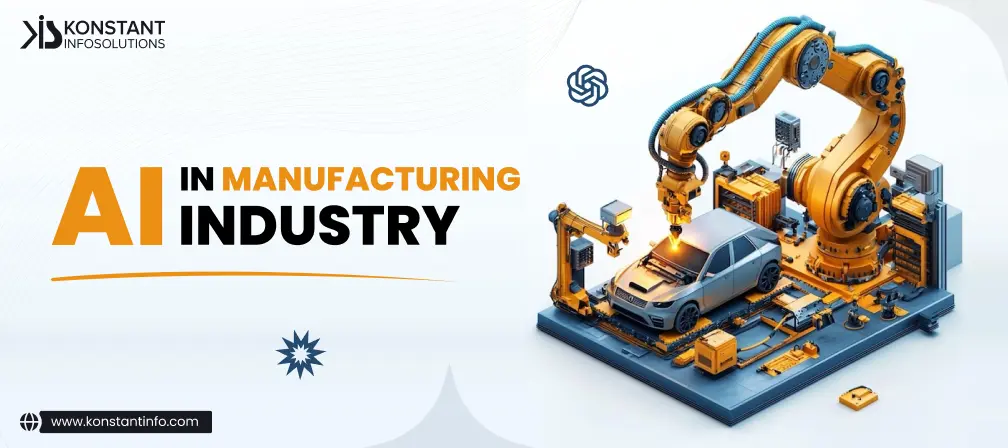
AI is technically a robot, may or may not look like one but it works on task basis, checking off one operation and so on. It fills up the gap in between the human operated tasks, monitoring if all the operations are successfully completed, if there is an emergency, if an expert help is required, if raw materials are available in adequate quantity, securing workers from workplace hazards, preventing accidents and injuries.
AI in manufacturing is a combination of artificial neural networks, principal component analysis, K-nearest neighbor, machine learning and reinforcement learning.