Wearable Technology Trends: AI, IoT, and Health Tracking
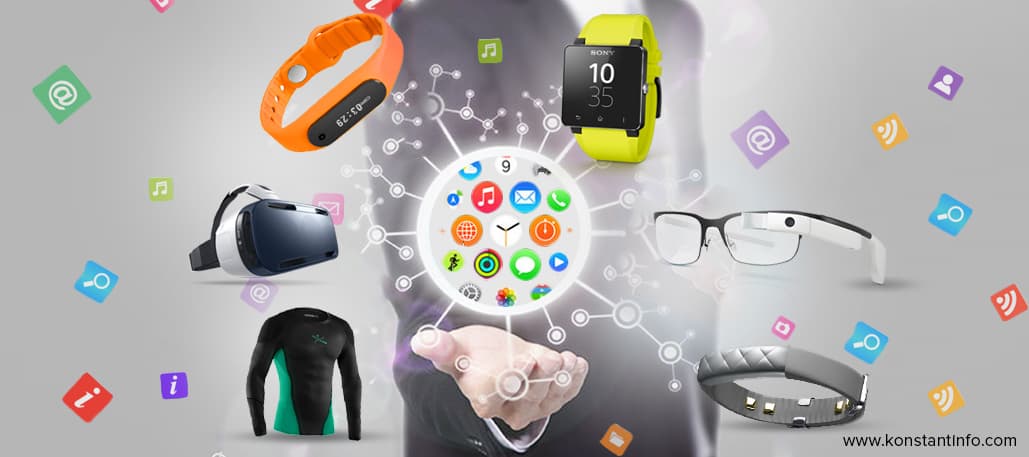

Here's a precise illustration of the emerging wearable technology trends – their usefulness and key features!
Gone are the days when wristwatches were only for telling the time. Now, smartwatches have taken their place. In addition, wearable apps in smart devices have brought convenience and comfort.
All thanks to wearable technology. Businesses, startups, and tech enthusiasts can manage their work in a few clicks. This digital solution has become a new standard for futuristic apps.
In fact, these wearables are more than just fashion accessories. These tech devices also offer real-time tracking, deep insights, and a communication medium. Moreover, make your mobile apps compatible with wearable devices for maximum benefits.
In this article, you will learn about popular wearable technology trends you must focus on. Let’s look at the latest trends in wearable technology industry.
Top Wearable Technology Trends in 2025
AI-powered Features
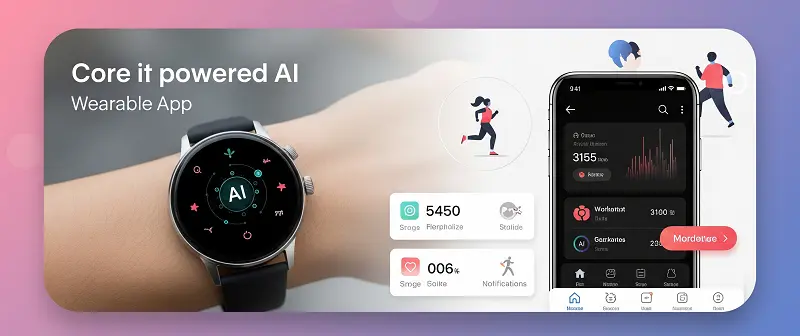 No doubt, AI has transformed the way people track their health. When it comes to diagnosis, health experts are just a click away. Patients and medical professionals can track real-time health-related data using AI-based wearables.
It includes:
No doubt, AI has transformed the way people track their health. When it comes to diagnosis, health experts are just a click away. Patients and medical professionals can track real-time health-related data using AI-based wearables.
It includes:
- Measuring heart rate.
- Record blood pressure.
- Real-time patient monitoring.
- Blood glucose and oxygen content analysis.
- Drug intake reminders.
Smart Clothing and Accessories
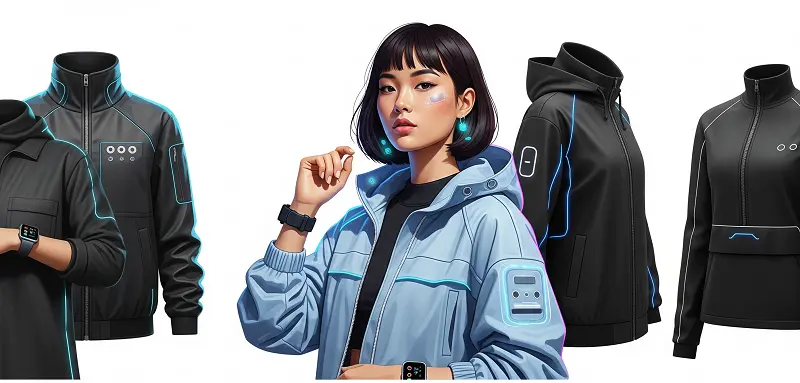 What if you could wear your smart devices?
IoT has been a game changer in the wearable industry in the last few years. The fashion industry has achieved it with the help of technological advances.
For example,
What if you could wear your smart devices?
IoT has been a game changer in the wearable industry in the last few years. The fashion industry has achieved it with the help of technological advances.
For example,
- Levi's has released a Trucker Jacket. You can connect the wearable to a smartphone or other mobile devices. So, you can manage your calls and texts, receive alerts, play music, and more.
- Under Armour's smart shoe. This wearable accessory is equipped with SpeedForm Gemini 2. These shoes can effectively track steps, distance, pace, stride length, and more. Shoe owners can also integrate and view the collected data on their smartphones.
Data Ownership
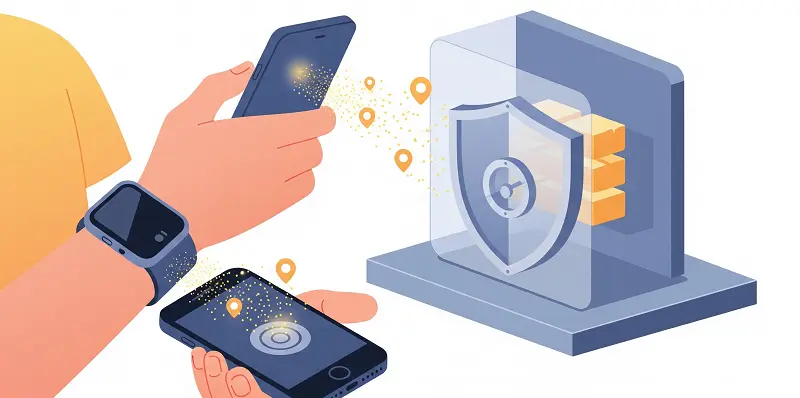 Now, people can select who will own their data. Data ownership in wearable apps has several advantages, including
- Data customization on wearable apps.
- Select what information you wish to share with a third-party medium.
AR/VR Integration
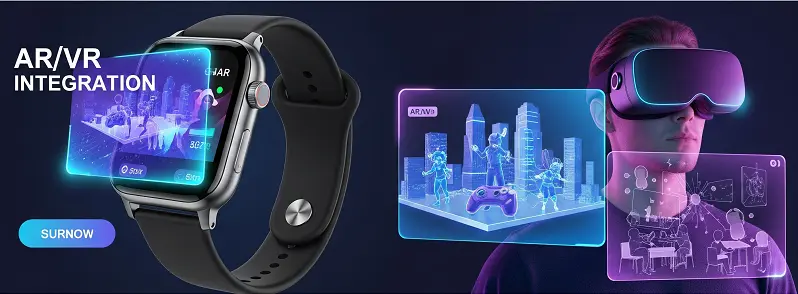 3D viewing with AR/VR has brought a new revolution in the wearable app development industry. For instance, AR glasses are becoming popular in various niches, including education, gaming, fashion, and real estate. People can now interact with their surroundings in many innovative ways.
Moreover, brands like Rokid, XReal, Virtue, Meta, and Ray-Ban are perfect examples of AR technology.
3D viewing with AR/VR has brought a new revolution in the wearable app development industry. For instance, AR glasses are becoming popular in various niches, including education, gaming, fashion, and real estate. People can now interact with their surroundings in many innovative ways.
Moreover, brands like Rokid, XReal, Virtue, Meta, and Ray-Ban are perfect examples of AR technology.
- These AR glasses offer 3D viewing with the help of built-in cameras and sensors.
- Utilize generative AI campaigns for brands and virtual showrooms to streamline the shopping experience.
Enterprise Solutions for Multitasking
 Who doesn't want to stay up-to-date on all business news?
Business owners can also leverage wearables for quick connectivity. Integrate enterprise apps like Asana, Trello, Slack, or Outlook on the smartwatch to boost productivity.
These wearable apps help people manage their tasks with a single click. For example, you can work out in the gym and also
Who doesn't want to stay up-to-date on all business news?
Business owners can also leverage wearables for quick connectivity. Integrate enterprise apps like Asana, Trello, Slack, or Outlook on the smartwatch to boost productivity.
These wearable apps help people manage their tasks with a single click. For example, you can work out in the gym and also
- Set the schedule.
- Track your health data.
- Check emails.
- Attend calls.
- Assess your work calendar and more.
Voice-controlled Assistants
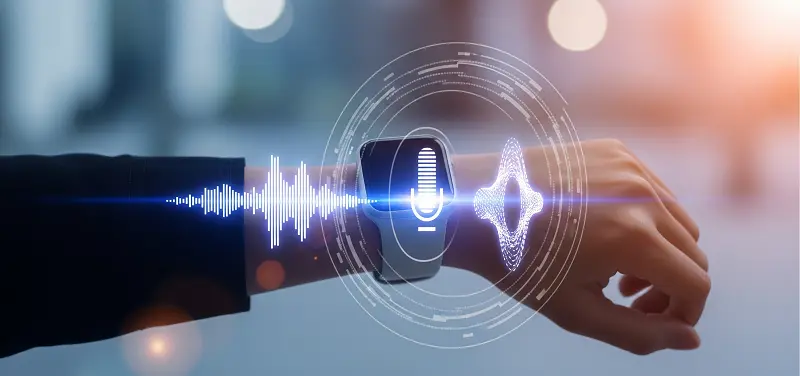 Certainly, it's time you bid farewell to typing on mobile devices. You no longer need to use your smartphone to type the questions. AI-powered apps offer an easy solution to enhance productivity.
Most often, people use these devices for lifestyle management, fashion, retail, and more.
It also helps individuals to:
Certainly, it's time you bid farewell to typing on mobile devices. You no longer need to use your smartphone to type the questions. AI-powered apps offer an easy solution to enhance productivity.
Most often, people use these devices for lifestyle management, fashion, retail, and more.
It also helps individuals to:
- Plan your entire day.
- Schedule meetings.
- Real-time health monitoring
- Make calls or send texts via voice commands
- Integrate and manage smart home devices
- Location tracking of loved ones
- Access emergency alert system, etc.
Blockchain for Data Security
 A recent study shows that over 133 million health records were exposed and disclosed in 2023. Therefore, it raised a few serious concerns about data security in the healthcare industry.
No doubt, blockchain is still trending high in medical wearable devices. Because the decentralized ledger system can:
A recent study shows that over 133 million health records were exposed and disclosed in 2023. Therefore, it raised a few serious concerns about data security in the healthcare industry.
No doubt, blockchain is still trending high in medical wearable devices. Because the decentralized ledger system can:
- Protect patients' privacy and trace their data.
- Store patients' big data.
- Establish a secure medical management system.
- Provide a reasonable framework and network speed.
- Prevent malicious attacks.
Beacon Technology in Smartwatches
 This new technology is one of the promising technologies used in the wearable technology trends. It connected nearby smart devices using Bluetooth Energy.
In addition, this technology is helpful for location-based services. Businesses incorporate this technology in smartwatches to track and collect data.
For example, beacon technology-based smart glasses allow retail workers to scan the barcode. Businesses can also use smartwatches to track employees' locations in a big office. As a result, it improves efficiency and data collection capabilities.
This new technology is one of the promising technologies used in the wearable technology trends. It connected nearby smart devices using Bluetooth Energy.
In addition, this technology is helpful for location-based services. Businesses incorporate this technology in smartwatches to track and collect data.
For example, beacon technology-based smart glasses allow retail workers to scan the barcode. Businesses can also use smartwatches to track employees' locations in a big office. As a result, it improves efficiency and data collection capabilities.
One-click e-Payment Services
 Payment apps are no longer limited to mobile devices. So, the payment app on your wristwatch is one of the many wearable technology trends.
For example, Apple and Samsung allow customers to pay bills with their respective devices, Apple Watch and Samsung Wearables.
Such examples demonstrate the extended reach of wearable apps in the era of IoT-connected devices. Incorporating this feature into your next IoT app development project will be advantageous.
Payment apps are no longer limited to mobile devices. So, the payment app on your wristwatch is one of the many wearable technology trends.
For example, Apple and Samsung allow customers to pay bills with their respective devices, Apple Watch and Samsung Wearables.
Such examples demonstrate the extended reach of wearable apps in the era of IoT-connected devices. Incorporating this feature into your next IoT app development project will be advantageous.