Wearable App Development Guide 2026: Everything You Need to Know
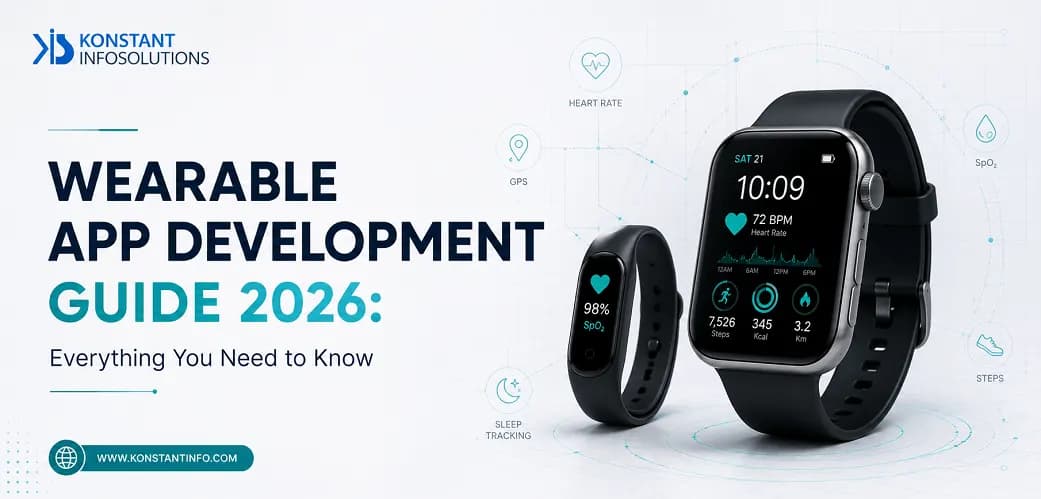

Explore our wearable app development guide covering process, features, cost, technologies, and trends for developing wearable apps.
The demand for wearable devices is growing rapidly across diverse industries. Within healthcare, these devices help monitor health metrics and support the management of long-term health conditions. In fitness and sports, wearable devices allow users to measure performance, track activities, and achieve their fitness goals. As the demand for wearable technology is rapidly increasing, businesses are coming up with new ways to leverage this technology to deliver valuable services and enhance user experiences.
Wearable app development is revolutionizing the way users access healthcare services nowadays. Various devices such as fitness trackers, smartwatches, and biosensors allow users to monitor and manage their health in real-time. Wearables can also track important information including blood pressure, glucose levels, and heart rate. But, the effectiveness of wearable devices mostly depends on the quality of applications.
Unlike traditional mobile applications that run on smartphones, wearable apps run on smaller screens and limited processing power. So, developers must focus on creating lightweight, fast, and responsive applications. They must integrate sensors to offer quick interactions and important information about health whenever users need. It includes sharing health data, tracking fitness progress, and sending medication reminders on a regular basis.
In this blog, we are going to talk about everything you need to know for developing a successful wearable app in 2026. We will cover common challenges, factors affecting the wearable app development cost, tips and process of wearable app development, must-have features, and more. By the end of this blog, you will get a clear understanding about how to develop a successful wearable app and take advantage of growing demand for wearable apps.
Wearable App Development Guide: Quick Answer
Wearable app development is the process of building software solutions specifically for wearable devices such as fitness trackers, smartwatches, healthcare wearables, hearables, and smart glasses. These applications can be integrated with sensors, collect real-time data, and allow users to monitor their fitness, health, and daily activities. The process of wearable app development includes initial market research, UI/UX designing, backend development, integrating sensors, testing, deployment, and post-launch maintenance. Based on the app's size and complexity, the development cost could range from $30,000 to $150,000+ with estimated timeline varying between 2 to 12+ months.
Key Takeaways
- Wearable apps are developed for devices having limited processing power and smaller screen sizes.
- Some of the most popular wearable platforms are Wear OS, Garmin OS, Apple watchOS, and Fitbit OS.
- Fitness, gaming, healthcare, education, and enterprise industries are the top adopters of wearable app development.
- The most common features of wearable apps are GPS tracking, AI-driven insights, health monitoring, voice commands, and contactless payments.
- IoT, predictive health monitoring, AI, and AR/VR are shaping the future of wearable apps.
What is Wearable App Development?
In simple words, wearable app development is the process of building mobile and software applications for devices that people can wear on their body. These devices can provide useful insights, collect real-time health data, and help users to manage and monitor their daily activities. Wearable apps are commonly used in various devices such as smartwatches, fitness bands, smart glasses, and various other wearable devices.
Compared to traditional mobile app development solutions, wearable apps are most designed and developed for smaller devices with smaller screen sizes and limited processing capabilities. Therefore, wearable devices must be lightweight and easy to navigate. These applications are specifically used to monitor fitness and health including heart rate tracking, delivering medication reminders, and monitoring activity levels.
According to Grand View Research, the global wearable market will reach about $229 billion by the end of 2033. Technological advancements, increasing user demands, and growing use of wearable devices are fueling this growth.
According to industry reports, the global wearable technology market is expected to witness sustained growth over the next decade, driven by increasing adoption of smartwatches, fitness trackers, healthcare wearables, and connected IoT devices.
Types of Wearable Devices Used in Wearable App Development
Nowadays, wearable applications are no longer limited to smartwatches only. With continuous advancements and innovation in technology, these apps are now used across a wide range of wearable devices. From smart clothing and rings to fitness trackers and smart glasses, wearable applications allow users to continuously monitor their health and improve daily exercise and activities. Below are some of the most common types of wearable devices that are gaining popularity in the market.
Fitness Bands
For fitness and health tracking, fitness bands are widely used wearable devices. Users can seamlessly monitor their daily activities such as calories burned, sleep quality, daily steps, heart rate, and overall physical performance. Fitbit is considered as one of the most popular fitness bands that allows users to track workout routines in a more convenient and simpler way.
Smart Clothing
These devices include built-in sensors within fabrics that can collect body-related information and data such as heart rate, muscle activity, as well as movement patterns. Fitness enthusiasts and athletes use these devices to enhance physical activities and track everyday training sessions. With real-time feedback, these devices support more effective and safer workouts.
Head-Mounted Displays
HMDs or Head Mounted Displays are designed to offer immersive digital viewing experiences through augmented reality and virtual reality. These types of devices are worn on the head and they display digital content and information directly in front of the viewer's eyes. While AR devices overlay digital information in the real world, VR headsets create virtual environments.
Smartwatches
Smartwatches are considered as one of the most popular wearable devices nowadays. These apps come with a wide range of features that support users to stay connected and organized throughout the day. Smartwatches allow users to set alarms, track physical activities, send messages, and monitor daily health activities and metrics. Industry giants such as Samsung and Apple are dominating the market with their innovative and user-friendly smartwatches.
Hearable Technology
These devices are advanced versions of traditional Bluetooth headphones and earbuds integrated with built in speakers, microphones, and smart technology. Along with listening to music, hearable devices allow users to make hands-free calls, track fitness, and monitor daily health. The most popular example of hearable devices is the Apple AirPods Pro.
Smart Eyewear
One of the most advanced categories of wearable technology are smart eyewear. These devices look and feel like normal glasses but allow users to view information digitally in their vision field. Professionals who want hands-free access to information, smart eyewear are considered as the best choice. Some of the most popular examples are Amazon Echo Frames, Ray-Ban Smart glasses, and Snapchat spectacles.
Smart Rings
These are compact wearable devices that offer various features similar to smartwatches. These help users to monitor sleep patterns, track daily physical activities, and make contactless payments. Due to its lightweight design and small size, people can comfortably wear it throughout the day. These are perfect choices for people who enjoy minimalistic look while leveraging benefits of health-tracking capabilities.
Popular Examples of Wearable Applications
Wearable devices are already being used by millions of users worldwide across healthcare, lifestyle, fitness, and productivity applications. Some of the most popular wearable applications in the market are:
- Apple Fitness
- Fitbit
- Garmin Connect
- Samsung Health
- Google Fit
- Strava
- Nike Run Club
These applications demonstrate how wearable technology is helping users monitor health, track fitness activities, improve productivity, and gain real-time insights through connected devices.
Why Should Businesses Invest in Wearable App Development?
Investing in custom wearable app development services is not only about following the latest market trends. Wearable apps offer a wide range of benefits to businesses to enhance customer relationships, drive long-term growth, and increase efficiency. Moreover, these apps also allow businesses to stay connected with their users at all the times, collect valuable insights, and deliver personalized user experiences. Let’s have a look at some of the advantages of building wearable applications:
Improved User Engagement
By developing wearable apps, businesses can stay connected with the customers throughout the day. Various devices like fitness bands and smartwatches are worn by users regularly, they can get regular reminders, updates, and personalized fitness suggestions. As a result, businesses can encourage and keep users engaged to interact with their products frequently.
Better Customer Experience
Wearable mobile applications allow businesses to offer highly personalised recommendations and experiences. These apps offer relevant recommendations, information, and notifications based on user behavior as well as preferences. Through useful interactions, organizations can enhance overall customer satisfaction and create a more positive brand image.
Real-Time Data Insights
One of the best advantages of wearable app development is the capability to collect, analyze, and process data continuously. These applications gather detailed information including daily activities, location details, health statistics, and user behavior. With real-time data access businesses can make more informed decisions, identify market demands, and better understand user preferences to offer personalized health suggestions.
Enhanced Productivity
Wearable mobile apps significantly enhance productivity in workplace environments. Employees can seamlessly access crucial information, get instant alerts, and quickly communicate without affecting their work routines. As a result, organizations can streamline daily workflows and enhance efficiency.
Competitive Advantage
Investing in wearable app development allows businesses to gain competitive advantage and stand out in today’s technological landscape. By adopting innovative technologies companies can attract more customers, enhance customer convenience, and improve their brand reputation.
Process of Developing a Successful Wearable Mobile App
By helping users track their health, improve fitness, and manage daily exercises, wearable mobile applications have become an important part of our lives. Various devices including fitness bands, smart clothing, and smartwatches are gaining popularity across diverse industries. However, developing an app that stands out in the market demands more than just a good idea. Businesses must understand user needs, design intuitive interfaces, pick the right development technologies, and adhere to industry standards and regulatory compliances. The following steps outline the key steps of developing a successful wearable app in 2026:
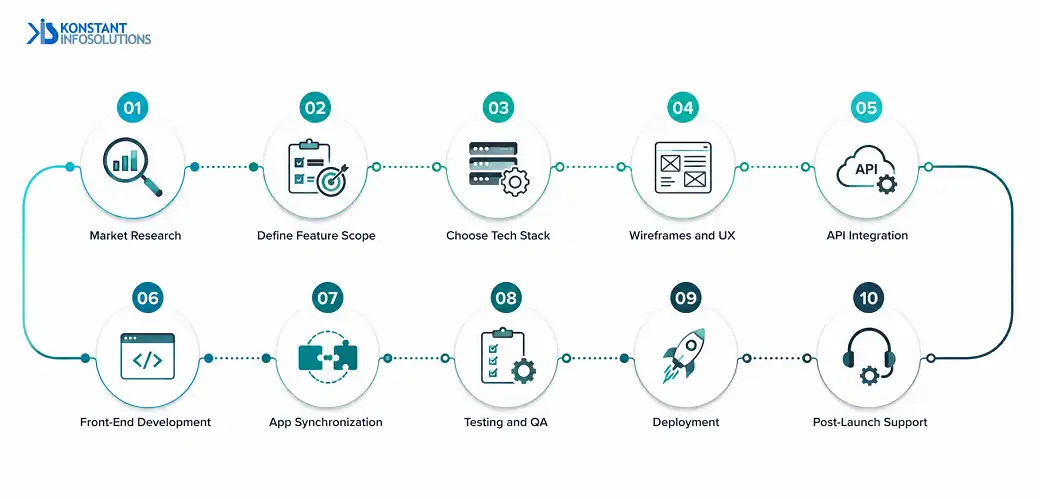
Market Research
The initial step in wearable app development is deciding who will use the app and what problem it will solve. Carefully study your target audience and know their pain points, habits, and needs. With detailed competitor research, you can build an app that differentiate from others and makes you stand out in today’s digital landscape.
Define Feature Scope
Before starting with the development process, clearly define what your app will do. Decide whether you want to develop a standalone app only for wearable devices or a companion app that will connect with mobile devices. Companion apps usually depend on smartphones for additional features and functionalities, while standalone apps perform tasks directly on wearable devices.
Choose Tech Stack
To ensure the success of the app, choosing the right technology stack is important. Based on the needs of the target audience and devices you want to support, you can choose the development frameworks and technologies. Android wearable devices are often built with Java or Kotlin, while Apple Watch apps are developed with WatchKit and Swift.
Wireframes and UX
Building simple and easy-to-use navigations is important as wearable devices have smaller screens as compared to smartphones. Focus on building wireframes with large readable texts, clear layouts, and smooth navigations. Integration of dark themes will increase battery life and voice assistance offers hands-free experiences to users.
API Integration
To manage, store, and process user data securely, it is important to implement a strong backend system. With robust APIs such as GraphQL and RESTful, you can seamlessly connect mobile apps, wearable devices, and cloud services. Additional third-party integrations including Google Fit, Apple HealthKit, and medical devices APIs offer seamless access to important sensor data.
Front-End Development
The frontend development deals with delivering seamless user experiences on the wearable devices. Frontend developers must leverage app development kits as well as platform-specific tools to create engaging and responsive user interfaces. As wearable devices have limited battery supply and processing memory, make sure to optimize the app’s performance and efficiency.
App Synchronization
If your wearable app supports connection with a smartphone, you have to develop a companion mobile app as well. The mobile app will offer user settings, advanced features, detailed reports, and account management. Moreover, you must ensure the data flow and synchronization between the mobile and wearable device is secure, fast, and reliable.
Testing and QA
This is one of the most crucial stages in wearable app development. As every device has different sensors, hardware, and operating systems, make sure to conduct rigorous automated and manual testing, which includes usability, performance, battery consumption, functional, and security testing. By testing the app under various use case scenarios, you can ensure it offers consistent and uninterrupted performance across diverse wearable devices.
Deployment
Before deploying the app, prepare some marketing campaigns to clearly describe the benefits and USPs of your wearable app. Also ensure your app adheres to guidelines and compliances of Apple App Store, Fitbit Gallery, and Google Play Store. Once everything is finalized, deploy the app for real-world users and monitor ratings, crash reports, and downloads to plan future updates effectively.
Post-Launch Support
Once the app is live, the real work starts. Making sure the app is relevant and offers seamless performance at all times is also important. With post-launch support and maintenance services including enhancing existing features, optimizing performance, fixing bugs, or adding new functionalities such as AI, you can ensure your solutions stay up-to-date and scale seamlessly as your business expands.
Technology Stack for Wearable App Development
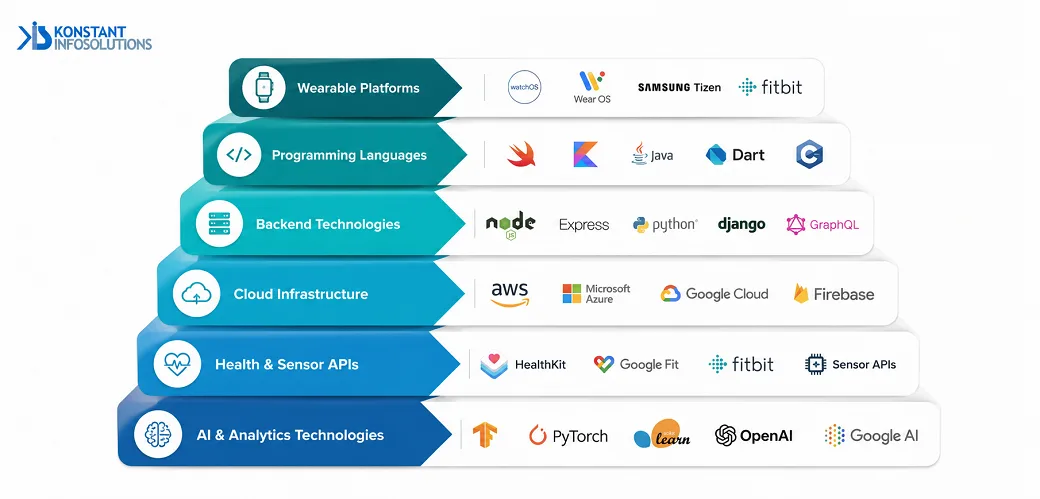
Picking the right development technology stack is crucial for determining the scalability, user experience, performance, and security of wearable apps. The ideal choice of technology stack depends on required integrations, long-term goals, target platform, and app complexity. For programming languages and health data APIs to operating systems and cloud infrastructure, each component plays an important role in determining the success of the final solution.
Wearable Platforms
The initial step is to select the wearable platform your app will run on. Each platform has its own SDKs, development tools, and capabilities.
- Apple watchOS: Apple Watch apps
- Wear OS: Android-powered apps
- Fitbit OS: Fitness-focused wearable apps
- Garmin Connect IQ: Sports and outdoor wearable devices
Programming Languages
This choice directly depends on the wearable ecosystem you are planning to target.
- Swift: watchOS applications
- Kotlin and Java: Wear OS applications
- JavaScript and TypeScript: Cross-platform integrations
- Python: Backend services and AI-powered features
Backend Technologies
For seamless processing of wearable data, smooth information synchronization, and managing user accounts, a strong backend development strategy is essential.
- Node.js
- Python
- Java
- .NET
Cloud Infrastructure
Cloud computing platforms will help with securely storing, analyzing, and processing large volume of user data.
- Amazon Web Services (AWS)
- Microsoft Azure
- Google Cloud Platform (GCP)
Health and Sensor APIs
To easily access sensor data and health metrics, wearable apps depend on APIs.
- Apple HealthKit
- Google Health Connect
- Fitbit Web API
- Garmin Health API
AI and Analytics Technologies
Modern wearable apps are increasingly adopting artificial intelligence to offer personalized recommendations and predictive insights. Modern businesses are adopting advanced AI development services to create smarter wearable applications that can offer real-time analytics and personalized user experiences.
- TensorFlow Lite
- Core ML
- OpenAI APIs
- Machine Learning Frameworks
Need Help Choosing the Right Tech Stack?
Get expert guidance on platforms, APIs, and architecture for your wearable app.
Talk to ExpertswatchOS vs Wear OS: Which Platform Should You Choose?
Choosing the right wearable app platform is one of the most crucial decisions during wearable app development. As both Wear OS and watchOS offer robust functionalities and capabilities, the final choice depends on business goals, device compatibility, target audience, and budget.
| Factor | watchOS | Wear OS |
| Operating System | Apple watchOS | Google Wear OS |
| Target Users | Apple ecosystem users | Android ecosystem users |
| Programming Languages | Swift, SwiftUI | Kotlin, Java |
| Device Compatibility | Apple Watch only | Samsung, Pixel, Fossil and other Wear OS devices |
| Health Integration | Apple HealthKit | Google Health Connect |
| User Base | Premium and loyal user base | Larger device diversity |
| Development Complexity | Highly standardized ecosystem | Greater device variation |
| App Distribution | Apple App Store | Google Play Store |
When to Choose watchOS?
Well, watchOS is preferred by businesses planning to target premium customer segments such as Apple users. This platform offers consistent hardware performance and strong health-tracking capabilities across the Apple ecosystem.
When to Choose Wear OS?
Wear OS is ideal for businesses planning to connect with Android users across diverse wearable devices. It offers seamless hardware flexibility and allows businesses to reach a wide range of audiences.
Can You Build for Both Platforms?
Absolutely. Most of the businesses nowadays prefer to target both the platforms to maximize their market reach. With a cross-platform app development strategy, organizations can easily serve both Apple as well as Android users.
Top Industry Use Cases of Wearable App Development
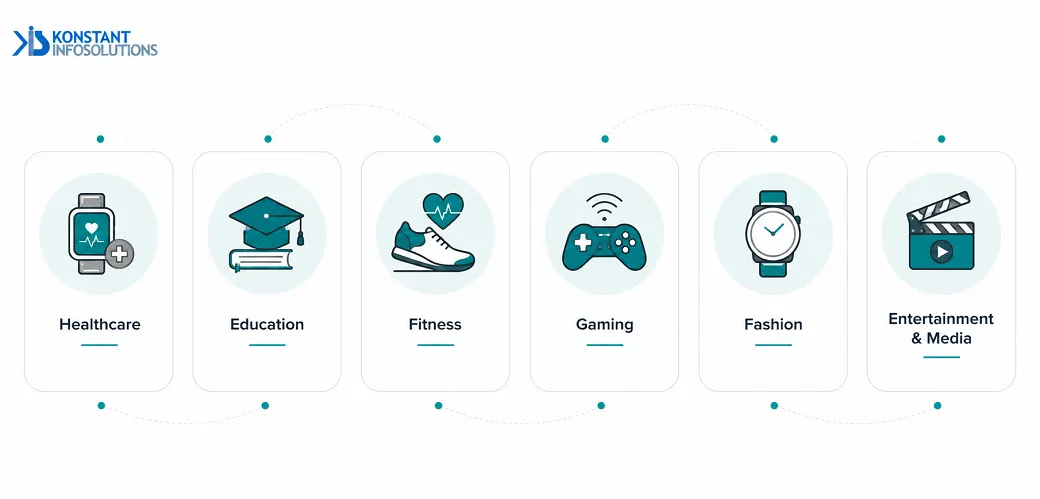
Wearable devices and apps are revolutionizing diverse industries through enhanced user experiences, real-time access to information, and remote health tracking. While wearable app development connects with a diverse range of digital products, some of the industries benefit more from this technology. Here are some of the most valuable use cases of wearable app development in various industries:
Healthcare
The healthcare industry is one of the largest adopters of wearable technology. Chronic disease management, preventive healthcare initiatives, and remote patient monitoring leverage wearable technology to reduce costs and enhance patient outcomes, making them a crucial factor in modern healthcare app development strategies.
As per a report by Deloitte Insights, wearable medical devices and smartwatches are being used for continuous health monitoring, real-time health metrics tracking, and improving remote patient care.
Education
By making learning experiences more engaging and interactive, wearable devices have created new experiences within the education industry. Modern technologies such as augmented and virtual reality allows students to examine 3D models, understand complex topics in a more immersive virtual environment, and enhance their learning skills.
Fitness
One of the most popular areas influenced by wearable app development is the fitness industry. With wearable devices, users can track their daily health activities as well as exercises to maintain a healthier lifestyle. These devices can monitor several factors including total distance travelled, heart rate, workout performance, calories burned, and sleep quality. With real-time insights, users stay motivated to achieve their daily fitness goals and lead a healthy life.
Gaming
Wearable devices are becoming a crucial catalyst for accelerating digital evolution in the gaming industry. From tracking moments, gestures, and physical activities to leveraging AR and VR capabilities to deliver highly immersive gaming experiences, wearable devices offer more realistic and engaging gameplay to users.
Fashion
The fashion industry has also started to embrace wearable technology for creating functional and innovative digital products. Many fashion brands are now creating smart clothing and accessories including fitness-enabled clothing, smart jackets, connected accessories, and other wearable items. With the integration of technology into fashion, brands can create products that not look good but also offer other useful features.
Entertainment and Media
By delivering more immersive user experiences, wearable technology is transforming the media and entertainment industry. AR glasses and VR headsets allow users to explore content in a more interactive way. From live events and gaming experiences to virtual converts and immersive storytelling, wearable apps allow businesses to increase user engagement.
Essential Features of Successful Wearable Apps
To develop successful wearable devices, businesses must focus on integrating advanced and unique features that make the app stand out in the market and align with user’s needs. As wearable mobile apps are designed to offer mobility, convenience, and quick access to information, integration of the right feature will increase the value of your product. Below are some of the best-in-class features that will help you stay ahead of your competitors in the market.
Gesture and Voice Commands
The greatest feature of wearable devices is gesture and voice command control. With this, users can perform actions, navigate through menus, and open apps through write moments or gestures. Moreover, voice commands allow users to send messages, search for any information, create notes, and set reminders.
Real-Time Health Monitoring
This one is considered as one of the best features of wearable devices in 2026. Fitness bands, smart clothing, and smartwatches stay in direct touch with users to collect accurate health data. With real-time health tracking, wearable devices can track a user's activity level, heart rate, sleep cycle, and various other metrics. Overall, this feature is highly useful for fitness, sports, healthcare, and wellness applications.
AI-Powered Insights
With AI integration, wearable devices offer more than just data collection. By analyzing activity levels, user habits, and health information, AI helps in delivering personalized health suggestions to users. These suggestions include customized workout plans, wellness tips, fitness goals, and nutrition suggestions.
Offline Functionality
While working in remote locations, travelling, or exercising, users may not always have access to the internet. So, it is important to ensure that wearable devices can continue performing without any interruptions even when they are not connected to the internet. Various features such as heart rate monitoring, activity recording, step tracking, and reminders should work offline too.
Contactless Payment
Nowadays, most of the smartwatches also support contactless payments by allowing users to make payments directly without wallets or smartphones. Just by bringing their watch to the payment terminal, users can easily complete the transaction. This feature is not only quick and simple, but also offers smoother payment experiences to both businesses as well as customers.
GPS Navigation
Integrating built-in GPS is another important feature within wearable devices. With this feature, users can easily track their location in real-time as well as navigate routes without the need of a smartphone. This hands-free functionality is useful for cyclists, outdoor enthusiasts, runners, as well as hikers.
Simplified User Interface
As wearable devices have small screens, their interface must be simple and easily understandable. Integration of readable fonts, straightforward navigation, and clear text helps users easily access information on the wearable device. While notifications should remain relevant and short, personalization allows users to customize overall device experience.
Battery Optimization
Because of compact size, ensuring long battery life is a major concern for wearable devices. This is why it is important to build apps that do not consume unnecessary battery. Various techniques such as dark mode support, optimizing coding, and seamless data processing can help in reducing extra battery usage.
Push Notifications and Smart Alerts
Timely notifications are considered as one of the biggest advantages of wearable devices. With smart alerts users can receive important updates about fitness milestones, emergency warnings, medication reminders, and upcoming appointments directly on their wearable devices.
Key Factors to Consider Before Developing a Wearable App
Developing a successful wearable mobile application demands crystal clear understanding of customer needs, careful planning, and technical requirements. Wearable devices come with some limitations and capabilities that differ from smartphones. So before investing in wearable mobile app development services, businesses must evaluate several factors to ensure the app offers smooth user experiences and drives long-term results.
Device Compatibility
Wearable devices operate on multiple platforms including Android Wear OS as well as Apple watchOS. As each platform has its own set of development requirements, technical limitations, and design complexities, choosing the right technology stack will help in ensuring consistent experience across multiple digital touchpoints.
Target Audience
Clearly understanding what your customer needs is one of the most crucial factors that you must consider while developing a wearable app. Businesses must define the target audience who will use the app and what problem it aims to solve. Target user base includes fitness freaks, field employees, warehouse staff, healthcare patients, and office workers. Proper market research about user demands will ensure the final solution perfectly aligns with the needs of your customers.
Battery Optimization
As wearable devices have smaller battery capacities compared to mobile devices, poor battery consumption could result in lower engagement and user frustration. Various features such as sensor monitoring, frequent data synchronization, GPS tracking, and real-time notification quickly consume battery. With code optimization, reducing unnecessary background activity, efficiently managing device resources, developers can ensure the app offers strong performance without even affecting the battery life.
Integration with Mobile Apps
Most wearable apps support integration with cloud platforms, mobile devices, and various other connected systems. With seamless integration, users can easily access and manage their health data across diverse devices. Businesses must integrate reliable data-flow strategies to ensure information can be shared between backend systems, wearable devices, and mobile applications. Strong integration enhances usability and helps businesses to deliver more connected user experiences.
Compliance Requirements for Wearable App Development
As wearable applications continuously collect sensitive user information and data such as biometric records, location details, health data, and activity metrics, businesses must focus on prioritizing regulatory compliance and security. By implementing proper privacy controls, businesses can not only protect user data but also reduce legal risks.
Key compliance considerations are:
- HIPAA compliance
- GDPR compliance
- CCPA requirements
- End-to-end encryption
- Secure APIs
- Clear user consent
- Transparent privacy policies
Major Challenges with Wearable App Development
Developing wearable mobile apps comes with several challenges that most businesses face. Unlike smartphones, wearable devices usually have small screen sizes as well as limited hardware resources. To deliver smooth app experiences while working with these limitations, developers must optimize applications. Below we have mentioned some of the major challenges linked with wearable app development. By understanding these challenges during early development stages, businesses can create more secure and reliable wearable applications.
User Interface
Because of limited input options and small screen sizes, designing visually appealing and smooth user experiences becomes a challenge. With a clear focus on readability, ease of use, and readability, developers can build intuitive controls, attractive layouts, and streamlined navigations to ensure users can efficiently interact with the app.
Interoperability
Wearable apps often need to connect and communicate with multiple platforms, devices, and systems. For example, a wearable app must seamlessly collect and sync data with cloud services, external databases, smartphones, or enterprise software. Developers must carefully manage integrations to ensure smooth connection and deliver seamless user experiences as each platform has its own requirements and standards.
Privacy and Security
Since wearable devices regularly collect sensitive user information and data including activity data, location details, and health metrics, businesses must prioritize privacy and security. Protecting this information is crucial to increase user trust while adhering to regulatory compliances. Moreover, wearable devices have limited processing capabilities, integrating strong security measures could become a complex task for developers.
Limited Functionality
Compared to smartphones, wearable devices generally have less battery capacity, processing power, and memory. These limitations reduce the number of functionalities and features that can be included within the app. So, developers have to put more attention to optimizing performance and prioritizing functionality to ensure the app offers smooth performance without reducing battery life.
Multi-Platform Support
Ensuring your app offers multi-platform support is another significant challenge. Multiple operating systems and devices have their own set of designing guidelines, technical complexities, and development frameworks. So, developers have to write separate codes for each platform including Apple Watch and Android Wear. Overall, this will result in increased development time, maintenance efforts, and cost.
Wearable App Development Cost: Factors That Affect Pricing
The overall cost of wearable mobile application development significantly depends on project requirements and scope. On an average the cost of mobile app development for wearable devices starts around $30,000 and could go up to $150,000 for complex applications. A simple wearable app with limited functionalities and basic features is often designed to validate an idea and offer simple tracking features. These types of applications generally fall under $30,000 to $60,000.
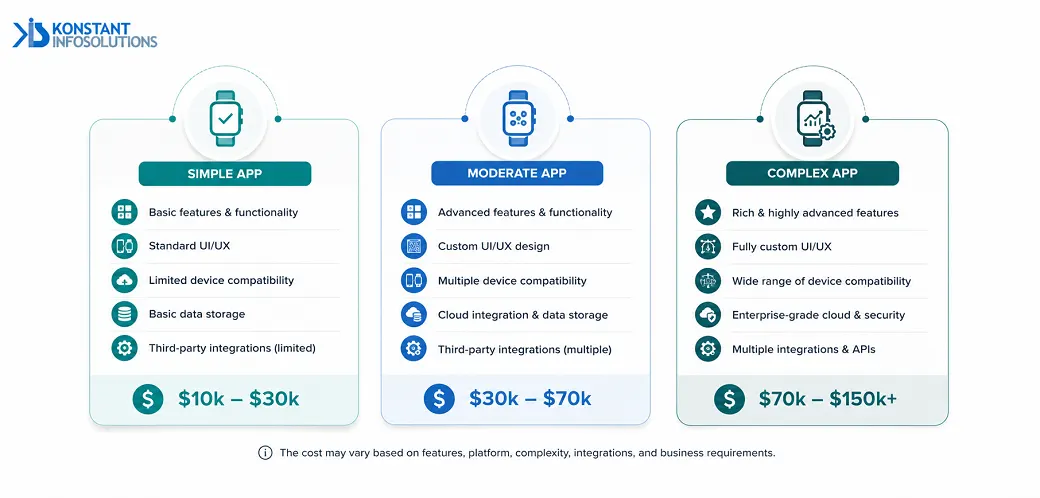
For businesses thinking about developing an enterprise-grade wearable application they have to spend much more. These applications often include some advanced features such as real-time data processing, integration with existing business systems, complex workflows, advanced analytics, and stronger security. So, the overall cost of complex wearable mobile apps could cost around $60,000 to $150,000+. The final cost is affected by various factors including:
- App size and complexity
- User interface design requirements
- Number of features included
- Location of mobile app development company
- Tech-stack selection
- Post-launch support and maintenance
By carefully understanding these features, businesses can set expenses, make informed decisions, and stay within budget to develop a successful wearable application.
Future Trends in Wearable App Development
The future of wearable app development services is accelerating towards smarter, more useful, and personalized experiences. As wearable apps become a crucial part of our everyday lives, more and more businesses are investing in building wearable mobile apps to generate consistent revenue. While current wearable solutions only support real-time activity tracking including heart rate, sleep, and steps, future applications will offer additional functionalities including personalized recommendations.
According to International Data Corporation, the global wearable device shipment reached around 611.5 million units in the year 2025.
Modern technologies including artificial intelligence, advanced sensors, Internet of Things (IoT), and machine learning are driving the revolution in wearables apps. With integration of these technologies, wearable solutions can predict market demands, understand user behavior, and transform data into meaningful insights. As a result, modern wearable mobile applications will focus on enhancing workplace safety, overall user experiences, healthcare outcomes, and operational efficiency.
Some of the key trends shaping the future of wearable app development are:
- Accurate biometric tracking for better health monitoring
- AI-driven behavioral insights and health prediction
- Increased demand of AR/VR to deliver immersive user experiences
- Integration of IoT for better connectivity between devices and sensors
- Implementing stronger data protection and security frameworks
How Konstant Can Help with Wearable App Development?
Our goal with wearable app development is to ensure not spending much funding on complex hardware integration before confirming that the product actually delivers long-term value. We believe the initial product launch should only focus on solving a core real-world problem. The MVP development approach allows businesses to validate their ideas, make changes based on feedback, and reduce development risks before investing in full-scale product development. In simple words, this could mean enhancing workflow safety, streamlining operations, helping businesses seamlessly manage their employees, and supporting daily training sessions.
Once the initial product starts gaining traction, we start integrating additional features within the app to make sure the app scales seamlessly with your growing business needs. From deeper analytics to integration within existing systems, our experts integrate new workflows as well as automation capabilities in your wearable applications as customer demand increases.
If you are thinking about developing a wearable app, start with a low-cost version that can be easily scaled to support long-term growth and success.
The Key Takeaway
Investing in wearable app development in 2026 demands seamless device integration, intelligent workflows to transform data into actionable insights, clear clinical goals, and compliant infrastructure. Whether it is about helping diabetic patients to keep sugar levels under limit, helping elderly patients, or sending critical health alerts to the care team, the use cases of wearable mobile apps are diverse. And each use case of wearable app development demands thoughtful and well-structured decisions.
Modern wearable mobile applications have transformed the way we live our daily lives. Moreover, these applications have also revolutionized various industries including health, gaming, entertainment, fitness, education, and fintech.
By partnering with a reliable wearable app development company, businesses can develop scalable wearable mobile apps to stay competitive in today’s rapidly changing environment.